
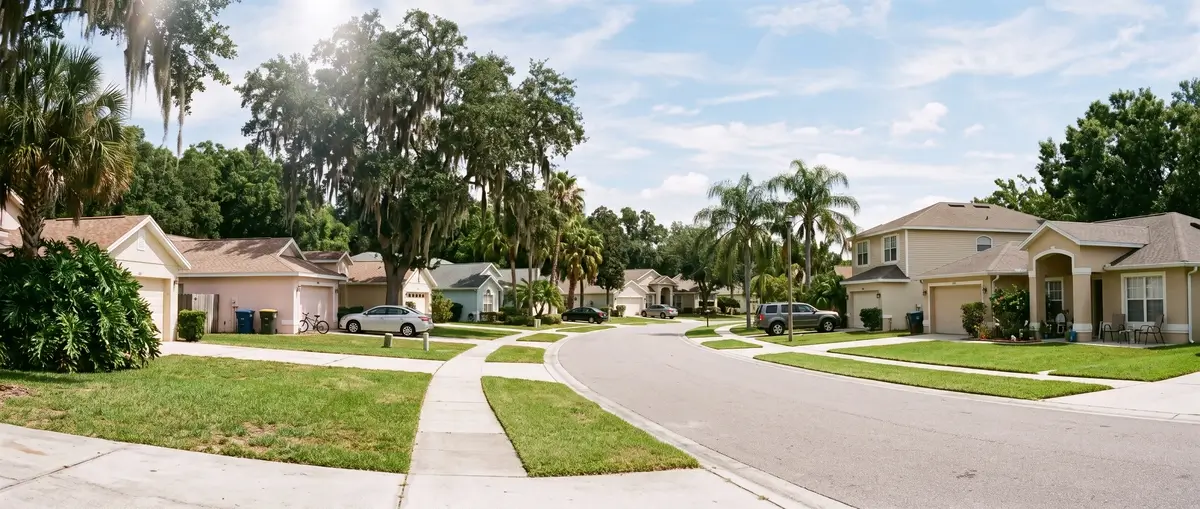
The same 3-bedroom home in Kissimmee could host a family on a theme park vacation this week, a travel nurse on a hospital assignment next month, or a local household signing a 12-month lease. Each option can generate rental income. Growing demand for furnished rentals has also made mid-term rental management a serious alternative to nightly bookings and annual leases.
Florida law, however, treats each arrangement very differently. Comparing long-term, mid-term, and short-term rentals in Central Florida means looking closely at licensing, taxes, costs, and workload.
Key Takeaways
- Florida ties licensing, tax, and tenant law to stay length, so your rental model shapes your legal obligations from day 1.
- Central Florida's mix of tourists, travel nurses, and local families means location influences which model performs best.
- Net income after cleaning, utilities, furnishings, and fees offers a more reliable comparison than nightly rates.
- A hybrid approach can capture peak tourism demand and steadier off-season income if local and HOA rules allow it.
How Long-Term, Mid-Term, and Short-Term Rentals Differ in Central Florida
The 3 rental models differ by stay length, pricing, furnishing, and the renters they attract. Stay length matters most because Florida uses it to decide which laws and taxes apply.
Stay Length, Pricing, and Furnishing by Model
- Short-term rentals: Stays under 30 days, priced per night, and fully furnished.
- Mid-term rentals: Stays of roughly 1 to 6 months at a flat monthly rate, usually furnished, with utilities often included.
- Long-term rentals: Leases typically longer than 6 months with fixed monthly rent, usually unfurnished, with tenants paying their own utilities.
Who Rents Each Type in the Orlando Area
Short-term rentals in Orlando attract theme park visitors, convention attendees, and travelers for concerts and sporting events. Mid-term rentals in Florida serve travel nurses, relocating professionals, and students. They also house families displaced by storm damage or home repairs. Long-term renters are usually families and local workers who want to settle near employment centers and schools.
Florida Laws, Licensing, and Taxes by Rental Type
In Florida, stay length determines which laws apply, which licenses an owner needs, and which taxes must be collected.
Chapter 83 Landlord-Tenant Law vs. Hospitality Rules
Long-term leases fall under the Florida Residential Landlord and Tenant Act in Chapter 83. Chapter 83 sets rules for notices, security deposits, and evictions. The act excludes transient public lodging, so short-term guests fall under Florida's hospitality laws instead. The difference affects how owners handle deposits, disputes, and guests who overstay.
DBPR Vacation Rental License Requirements
Florida classifies homes and condos regularly rented for stays under 30 days as vacation rentals under state law. Before hosting guests, these properties generally need a license from the Division of Hotels and Restaurants. The division operates under the Florida Department of Business and Professional Regulation (DBPR).
Florida's 6-Month Rental Tax Threshold
Florida's transient rental tax applies to stays of 6 months or less, a longer window than many owners expect. Under Florida's transient rentals tax, qualifying stays are subject to the state's 6% sales tax plus any local discretionary surtax. County tourist development taxes generally follow the same threshold.
- Stays under 30 days: Generally taxable and may also require a DBPR license.
- Stays from 30 days to 6 months: Generally still taxable as transient rentals.
- Bona fide written leases longer than 6 months: Exempt from transient rental tax.
City, County, and HOA Rental Restrictions
Local rules vary across Orange, Osceola, and Polk counties and even between neighboring communities. HOA rental restrictions can set minimum lease terms or cap how often owners rent. Verify the permitted use at your specific address before choosing a model.
Rental Income vs. Real Operating Costs
Short-term rentals often have the highest gross revenue potential, but net income tends to narrow once operating costs are included.
Gross Revenue vs. Net Income
Higher nightly rates do not automatically mean higher profit. Consider a simplified example:
- Short-term rental: $60,000 in annual gross revenue might net about $20,000 before mortgage payments, after management, platform fees, utilities, cleaning, taxes, insurance, and HOA dues.
- Long-term rental: $36,000 in annual rent might net around $16,000 before mortgage payments, after management, maintenance, vacancy, taxes, insurance, and HOA dues.
The gross gap looks large, but the net difference is far smaller. Actual results depend on the property, location, and expenses.
Seasonality and Year-Round Occupancy
Short-term vs. long-term rental income in Florida shifts with the calendar. Peak tourism periods can bring strong bookings, while slower stretches leave gaps in annual earnings. A property's average occupancy rate across the full year matters more than its busiest weeks.
Operating Expenses by Rental Model
Short-term owners usually cover utilities, cleaning, restocking, furnishings, and platform fees. Mid-term rates often bundle utilities into a flat monthly price. Long-term tenants typically pay their own utilities. Every model still needs reserves for repairs and vacancy.
Management Workload and Property Wear
The shorter the stay, the more day-to-day attention a rental property requires.
Day-to-Day Responsibilities by Model
Short-term rentals run like a small hospitality business, with frequent guest messages, cleanings, and turnovers. Mid-term rentals focus on lease administration, utility tracking, and periodic deep cleans. Long-term rentals center on rent collection, maintenance coordination, and lease renewals.
Screening Depth and Turnover
Short-term guests are often vetted through platform reviews and identity checks. Mid-term and long-term occupants can be screened for credit, income, and rental history. Fewer turnovers also mean less wear on furniture, fixtures, and appliances over time.
Choosing the Right Rental Strategy for Your Property
The right rental strategy matches a property's legal permissions with the owner's financial goals and available time.
Matching the Model to Your Goals
Weigh your income goals, risk tolerance, available time, and cash reserves. Short-term rentals offer higher revenue potential, while long-term leases offer more predictable monthly rent. Ask whether the property could still perform as a long-term rental if your plans or local rules change.
Hybrid and Seasonal Switching
Some owners run short-term stays during peak demand and shift to mid-term guests during slower months. Before switching, confirm licensing, HOA rules, insurance coverage, and tax registration for each model. Professional vacation rental management services can help you coordinate those transitions while keeping the property compliant.
FAQs
1. Do I need to collect taxes on a 2-month furnished rental in Florida?
In most cases, yes. Stays of 6 months or less are generally subject to state sales tax and county tourist development tax. A bona fide written lease for longer than 6 months generally qualifies for an exemption.
2. Does Florida landlord-tenant law apply to my vacation rental guests?
Generally, no. Chapter 83 excludes transient occupancy in public lodging, so short-term guests fall under hospitality law instead.
3. Can my HOA stop me from renting my home short-term?
Yes, HOA rules can set minimum lease terms or limit how often you rent. Review your association documents before choosing a rental model.
4. Can I use my Central Florida rental for personal stays?
Short-term rentals allow owners to stay between bookings, though blocked dates reduce income. An active long-term lease generally gives the tenant the right to occupy the home for the full term.
One Central Florida Property, Three Possible Paths
The most profitable rental model today may not be the right one 3 years from now. Tourism patterns shift, hospital systems expand, and HOA boards revise their rules. Owners who revisit their rental strategy as conditions change are better positioned to protect both income and compliance.
At HOST Management Group, our veteran-owned team manages long-term, mid-term, and short-term rentals across Central Florida. Reach out to learn how our Central Florida property management team can match your home with the right path.