A preventive maintenance checklist for rental property in Central Florida only works if it's built around this region's specific conditions, meaning humidity, afternoon downpours, and a hurricane season that runs six months long. Owners who wait until a storm warning appears on the radar are already behind. According to NOAA's updated 2026 Atlantic hurricane outlook, the season is expected to stay below normal, with 7 to 13 named storms and 2 to 6 hurricanes forecast for the Atlantic basin.
Central Florida owners need a rental-property checklist, not generic homeowner advice, since a missed inspection often turns into a midnight tenant call and an avoidable repair bill. Below, we break down the checks that belong on your list and why each one matters.
Key Takeaways
- Central Florida's daily humidity and long hurricane season wear down roofs, HVAC systems, and drainage faster than in drier climates.
- A pre-season roof, gutter, and window inspection catches small problems before a major storm turns them into large claims.
- Florida's average landlord insurance premium now runs more than double the national average, making preventive checks a direct cost-control tool.
- A written, recurring checklist protects both property value and tenant safety through every storm that passes through the region.
What Belongs on a Pre-Storm Roof and Exterior Checklist?
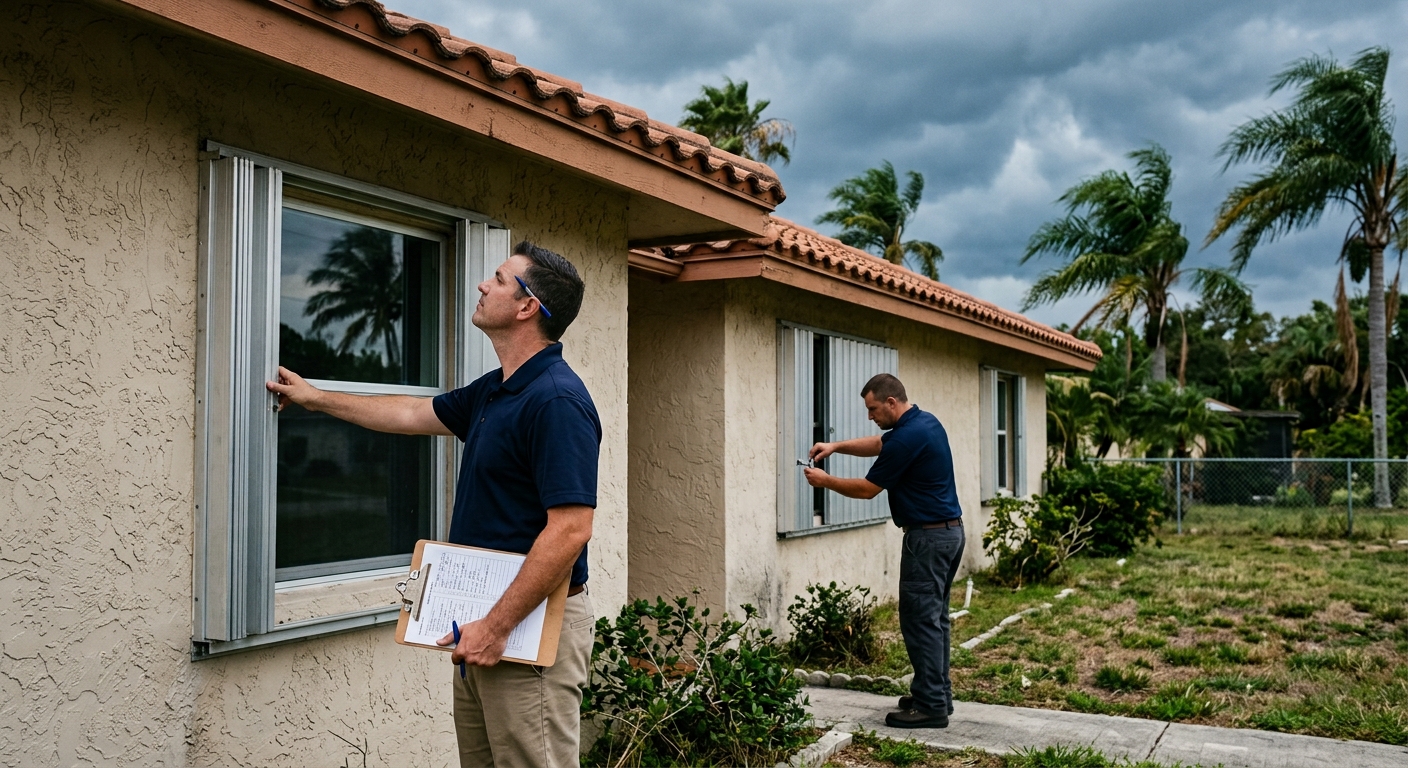
A pre-storm roof and exterior checklist should confirm that shingles, flashing, gutters, and outdoor fixtures can withstand sustained wind and heavy rain before the first named storm forms. We schedule these walkthroughs every spring, ahead of the June 1 start date, since contractors book quickly once forecasts hit the news.
A thorough exterior checklist includes:
- Shingles, flashing, and roof seals checked for lifting or early water intrusion
- Gutters and downspouts cleared so water doesn't back up into the roofline
- Fencing, screens, and loose outdoor fixtures secured or removed
- Trees and branches trimmed away from the roof and power lines
Orange County's population reached 1,528,002 as of July 2025, up nearly 6.9 percent since 2020, according to U.S. Census Bureau data. That growth means more competition for contractors once storm season hits, so an early schedule protects the work owners put into increasing rental value without overspending.
Which HVAC and Drainage Checks Protect a Property Between Storms?
HVAC and drainage checks should happen on a set schedule throughout storm season, not just once before it starts, since Central Florida's daily rain and heat push these systems harder than most manufacturer guidelines assume.
A solid mid-season checklist covers:
- Air filters replaced monthly instead of the standard quarterly recommendation
- Condensate drain lines flushed to prevent backups during heavy rain
- Gutters and yard grading checked for standing water near the foundation
- Outdoor HVAC units elevated or protected from ground-level flooding
We worked with a client managing two rental homes in Kissimmee whose tenant reported water pooling against an exterior wall. A quick inspection found a collapsed downspout extension, and fixing it cost far less than the foundation repair a full wet season would have caused.
Staying ahead of storm season also depends on consistent rent collection, since delayed payments make it harder to fund urgent repairs quickly.
How Should Windows, Doors, and Openings Be Storm-Proofed?
Check windows, doors, and other openings for gaps, weak seals, and missing storm protection before hurricane season peaks, since these are the points where wind-driven rain most often enters a home.
Weatherstripping and Seals
Door sweeps and window seals wear out faster in a humid climate, and a gap that seems minor in June can let in significant water once storm winds pick up in August or September.
Shutters and Impact Protection
Storms that make landfall on either coast often weaken as they move inland, but still carry enough force to push rain through poorly sealed openings well into Central Florida. Hurricane Ian dropped more than 13 inches of rain on Orlando International Airport alone, with some nearby areas topping 17 inches, enough to expose gaps around windows and doors that lack shutters or impact glass.
Solid tenant screening helps too, since tenants who understand their lease responsibilities are more likely to report a failing seal before it becomes a bigger problem.
What Indoor Checks Prevent Humidity and Mold Damage?
Indoor humidity checks should focus on air quality, HVAC filters, and early signs of moisture buildup, since unmanaged humidity leads to mold growth and warped flooring faster in Florida than almost anywhere else in the country.
Watch for these signs during routine walkthroughs:
- A musty smell near closets, bathrooms, or laundry areas
- Condensation on windows even when the air conditioning is running
- Paint peeling or bubbling along exterior-facing walls
- Flooring that feels soft or warped near entry points
Catching these signs early usually means a filter swap. Catching them late often means drywall replacement and a frustrated tenant. Owners who keep clear accounting records of past repairs find it easier to spot patterns, like a unit needing filter changes more often than others, before they turn into bigger issues.
What Should Happen During and Immediately After a Storm?
A storm-season checklist needs steps for when weather actually arrives, not just before it. The priority shifts entirely to safety and documentation.
| Timing | What to Do |
|---|---|
| During the storm | Focus on tenant safety and communication, and hold off on site visits until conditions clear |
| First 24 to 48 hours after | Walk through to confirm the roof, windows, and drainage held up |
| First 24 to 48 hours after | Photograph any new damage to support an insurance claim if needed |
Florida's average landlord insurance premium reached roughly $5,376 in 2025 for $300,000 in coverage, more than double the national average of $2,181. Coastal markets have seen premium jumps of 40 to 60 percent in a single renewal cycle after recent storm seasons, which makes a documented checklist one of the few tools owners have to keep future premiums in check.
We also recommend running repair costs through our rental income projection tool before storm season starts.
How We Keep Central Florida Rentals Storm-Ready Year-Round
Trust in a property manager comes down to whether we catch problems before they get expensive. Our team tracks inspection schedules, vendor availability, and storm forecasts as part of daily operations, not a once-a-year scramble every June.
Here's what that looks like on our end:
- Scheduled pre-season inspections logged and tracked for every property we manage
- Established vendor relationships that keep response times short during peak season
- Clear service guarantees that hold us accountable to owners
- Transparent reporting so owners always know what's been inspected and repaired
If a lease situation ever calls for it, our eviction process guidance follows Florida law carefully, protecting owners during an already stressful season.
FAQs about Preventive Maintenance Checklists for Rental Property in Central Florida, FL
What happens if a storm damages a rental property while the tenant is still living there?
The owner may still be responsible for arranging necessary repairs and addressing conditions that affect habitability, depending on the circumstances. The lease, the type and extent of damage, insurance coverage, and Florida landlord-tenant requirements can all affect what happens next.
Who pays for emergency repairs after a Central Florida storm?
The property owner generally pays for repairs to the rental property, while insurance may cover certain losses depending on the policy, deductible, exclusions, and cause of damage. Tenants may be responsible for damage they caused through negligence or lease violations, but you should determine that based on the specific circumstances rather than assume it.
How much emergency cash should a rental property owner keep available during storm season?
No universal dollar amount exists because the right reserve depends on the property's age, condition, deductible, major systems, and available insurance coverage. Owners should account for expenses they may need to pay before an insurance claim is resolved, especially urgent plumbing, electrical, water intrusion, or temporary habitability repairs.
What if a tenant refuses access for a storm-related inspection or repair?
The owner or property manager should follow the notice and entry provisions that apply under the lease and Florida law rather than entering without authorization. Emergency circumstances can have different rules, so owners should document the situation and use the appropriate process.
Could preventive maintenance create problems with my insurance claim later?
Routine maintenance generally supports a property's condition, but insurance coverage depends on the specific policy and circumstances of the loss. Owners should keep maintenance records, invoices, inspection reports, photographs, and repair documentation so they can demonstrate what work was performed and when.
Building a Storm-Ready Rental, One Checklist Item at a Time
Central Florida's storm season isn't going away, and neither is the daily humidity that wears down roofs, HVAC systems, and drainage all year. Working through a written checklist before, during, and after each storm protects both your property and your income.
At HOST Management Group, we manage this checklist for owners across Central Florida so you don't have to track it alone. Our maintenance services include:
- Scheduled pre-season roof, gutter, and exterior inspections
- HVAC and drainage checks built for Florida's climate
- Rapid post-storm walkthroughs with documented repair coordination
- Established vendor relationships that keep response times short during peak season
Storm season won't wait, and neither should your roof, HVAC, or drainage checks. Talk to HOST Management Group today and schedule a maintenance inspection that keeps your Central Florida rental ready for whatever comes next.